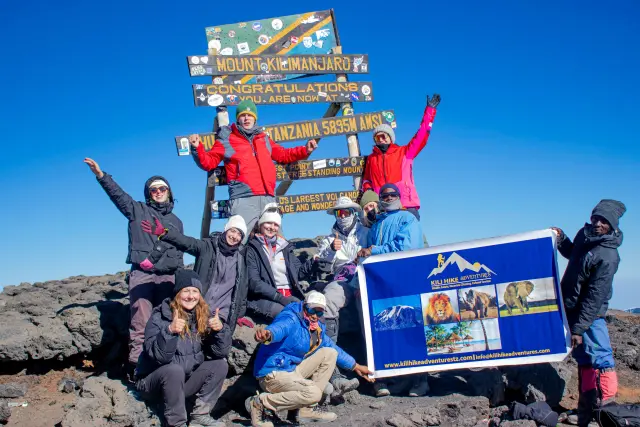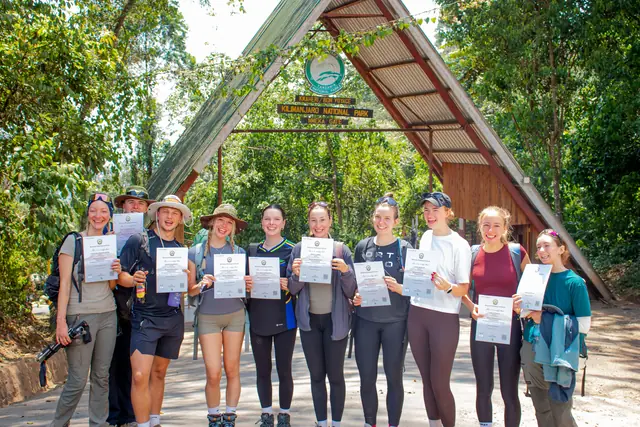
Discover everything you need to know about climbing Mount Kilimanjaro, Africa’s highest mountain. Explore the best routes, compare climbing costs, learn when to visit, and prepare for your summit adventure with expert tips. Kili Hike Adventures offers personalized climbing packages with experienced local guides to help you pursue your dream of reaching Uhuru Peak.
Dreaming of reaching the highest point in Africa? Mount Kilimanjaro is one of the world's most remarkable trekking destinations, attracting adventurers who want to experience breathtaking landscapes and stand on the roof of Africa. Rising approximately 5,895 metres (19,341 feet) above sea level, Kilimanjaro offers an unforgettable challenge without requiring technical climbing skills on its standard trekking routes.
However, choosing the right route, understanding the costs, preparing for altitude, and selecting a reliable local tour operator can make a significant difference to your experience.
In this guide, Kili Hike Adventures explains everything you need to know about climbing Mount Kilimanjaro, from selecting your route to preparing for summit day.
1. What Is the Best Route to Climb Mount Kilimanjaro?
Mount Kilimanjaro has several established trekking routes, each offering different scenery, durations, and acclimatization opportunities.
Machame Route: Popular for its beautiful scenery and varied landscapes, Machame usually takes six or seven days. The seven-day itinerary provides more time for acclimatization.
Lemosho Route: Known for its scenic approach and relatively quieter early stages, Lemosho typically takes seven or eight days. It is an excellent choice for trekkers seeking a longer, immersive experience.
Marangu Route: Often called the Coca-Cola Route, Marangu offers hut accommodation rather than overnight camping. It typically takes five or six days, although adding time for acclimatization is advisable.
Northern Circuit Route: This longer route explores the mountain's northern slopes and generally takes eight to nine days. Its extended duration offers valuable opportunities to acclimatize.
Rongai Route: Approaching from the north near the Kenyan border, Rongai is another option for trekkers seeking a different perspective of Kilimanjaro.
Which route should you choose?
For many climbers, a seven- or eight-day itinerary is a strong option because it allows more time to adapt to the altitude. The best choice depends on your fitness, schedule, budget, and personal preferences.
2. How Much Does It Cost to Climb Kilimanjaro?
The cost of climbing Mount Kilimanjaro varies according to the route, number of days, group size, accommodation before and after the trek, and services included.
As a broad planning estimate, organized climbs may cost approximately US$1,500–US$3,500 or more per person. Premium private climbs and longer itineraries can cost more.
Your package may include:
Kilimanjaro National Park fees.
Professional mountain guides and support crew.
Meals during the trek.
Camping equipment or hut accommodation, depending on the route.
Transfers between your hotel and the mountain.
Porter support and other mountain logistics.
Flights, travel insurance, personal trekking equipment, guide and crew tips, and hotel nights may be excluded, depending on the package.
Before booking, request a detailed quotation explaining all inclusions and exclusions. Extremely cheap offers deserve careful scrutiny because safe operations require adequate staffing, food, equipment, and logistical planning.
3. When Is the Best Time to Climb Mount Kilimanjaro?
Kilimanjaro can be climbed throughout much of the year, but weather conditions influence the trekking experience.
January to early March: Often a good period for climbers seeking generally favorable conditions, although weather varies.
June to October: A popular climbing season, with many trekkers choosing these months for their generally drier conditions.
November to December: Short rains can affect conditions, but climbing remains possible with suitable preparation.
April to May: The long rainy season can bring wetter trails, cloud cover, and more challenging trekking conditions.
There is no guarantee of clear skies or favorable weather on summit day. Temperatures can drop significantly at high altitude, so appropriate clothing and equipment are essential.
Booking well in advance is advisable for popular travel dates.
4. How Difficult Is Climbing Mount Kilimanjaro?
Kilimanjaro is a demanding high-altitude trek. Although technical climbing skills are not generally required on the standard routes, trekkers must be prepared for long walking days, steep sections, cold temperatures, and reduced oxygen availability.
The main challenge is altitude rather than simply physical fitness.
To prepare:
Walk, hike, or exercise regularly before your trip.
Include longer hikes in your preparation when possible.
Follow your guide's recommended pace.
Stay hydrated and eat regularly.
Choose an itinerary that allows adequate acclimatization.
Inform your guide immediately if you develop symptoms of altitude illness.
Altitude sickness can affect even physically fit climbers. No route or preparation plan can eliminate the risk entirely. Your guide should monitor your condition, and descending is essential if serious altitude illness is suspected.
5. What Should You Pack for Kilimanjaro?
Packing the right equipment helps you manage the mountain's changing climate, from warm rainforest conditions to freezing temperatures near the summit.
Essential items include:
Waterproof hiking boots with good support.
Thermal base layers and insulating clothing.
A warm, insulated jacket.
Waterproof jacket and trousers.
Trekking trousers and comfortable hiking socks.
Warm gloves, a hat, and a neck covering.
A suitable sleeping bag for camping routes.
A headlamp and spare batteries.
Sunglasses, sunscreen, and personal toiletries.
A daypack and water bottles or a hydration system.
Personal medication and appropriate travel insurance.
Check your operator's equipment list before travelling. Depending on the package, some equipment may be available for rent in Tanzania.
6. Why Choose a Local Kilimanjaro Tour Operator?
Choosing a reliable local operator can simplify your preparation and help you understand what to expect throughout the climb.
Kili Hike Adventures helps travelers organize Kilimanjaro climbs with route options tailored to their schedules, accommodation preferences, and budgets.
When comparing operators, ask about their guide experience, safety procedures, crew arrangements, equipment standards, and emergency response plans.
You should also confirm that the operator holds the required licenses and complies with applicable park regulations.
A professional operator should explain the itinerary clearly, provide realistic expectations about summit success, and prioritize the wellbeing of both climbers and mountain crew.
7. Ready to Climb Mount Kilimanjaro?
Reaching Uhuru Peak is a remarkable achievement, but a successful Kilimanjaro adventure begins long before summit day.
Choosing a suitable route, allowing enough time for acclimatization, preparing your equipment, and working with an experienced team can help you approach the mountain with greater confidence.
Whether you prefer the scenic Machame Route, the beautiful Lemosho Route, or a longer Northern Circuit adventure, Kili Hike Adventures can help you explore the available options.
Start planning your Kilimanjaro climb today. Contact Kili Hike Adventures to discuss your preferred travel dates, group size, route, and budget, and request a personalized climbing quotation.
Creating Unforgettable Tanzanian Adventures.