You don't need climbing experience to reach Uhuru Peak, but good preparation makes a big difference. Our guides share their advice on fitness, altitude, gear and choosing a route.
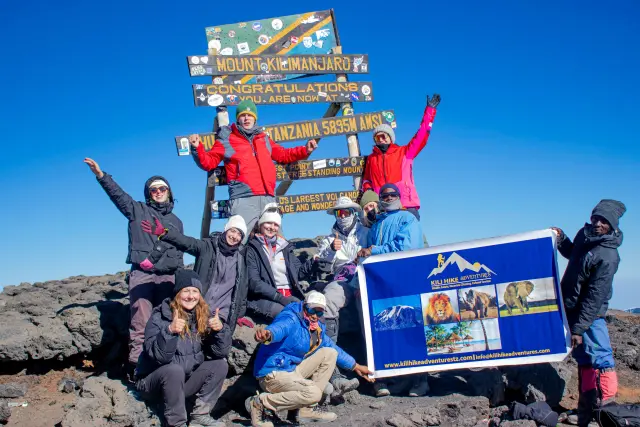
Kilimanjaro is a trek, not a technical climb: there are no ropes and no climbing skills needed. Every year thousands of ordinary travellers stand on Uhuru Peak at 5,895 metres. The challenge is the altitude and the long summit night, and that's where preparation counts.
1. Choose a longer route
The single biggest factor in reaching the top is time to acclimatise. Routes of seven or eight days, such as Lemosho or the Northern Circuit, give your body more time to adapt and have much higher success rates than the shortest options. Try our summit calculator to compare routes.
2. Train with long walks
Start two to three months before your climb. Long hikes of four to six hours, ideally on hills and in the boots you'll wear on the mountain, are the best training. Add stairs, cycling or swimming during the week to build stamina.
3. Go slowly: "pole pole"
You'll hear our guides say pole pole, Swahili for "slowly, slowly", many times. Walking slowly, drinking three to four litres of water a day and eating well all help your body cope with the altitude.
4. Know the signs of altitude sickness
Headache, nausea, tiredness and poor sleep are common at altitude. Tell your guide how you feel; they check every climber twice a day. If symptoms get worse, the cure is to descend. Talk to your doctor before the trip about whether altitude medication is right for you.
5. Pack in layers
You'll walk from warm rainforest to freezing temperatures near the summit. Bring thermal base layers, a fleece, a warm down jacket, waterproofs, warm gloves, a hat and a head torch. If you don't have everything, we can rent you good equipment in Arusha or Moshi.
Ready to start planning? Tell us when you'd like to climb, and we'll recommend the route that suits you best.