Plan your 2027 Mount Kilimanjaro climb with Kili Hike Adventures. Explore the best routes, climbing costs, preparation tips, and the best time to reach Uhuru Peak.
Have you ever dreamed of standing on the roof of Africa? watching the sunrise illuminate endless landscapes from the highest mountain on the continent? Climbing Mount Kilimanjaro is more than an ordinary trekking adventure. It is an extraordinary journey through changing ecosystems, spectacular mountain scenery, and some of the most memorable landscapes in Tanzania.
Standing at 5,895 meters (19,341 feet) above sea level, Mount Kilimanjaro is Africa's highest mountain and one of the world's most celebrated trekking destinations. Located in northern Tanzania, near the Kenyan border, this magnificent free-standing volcanic mountain attracts adventurers from across the globe who want to challenge themselves and experience the beauty of Africa's wilderness.
Unlike many other famous high mountains, Kilimanjaro can be climbed without technical mountaineering skills on its established trekking routes. However, its high altitude, unpredictable mountain weather, and demanding summit day make proper preparation and responsible route selection essential.
Whether you are planning your first high-altitude trek, travelling with friends, or searching for a meaningful adventure in Africa, this comprehensive guide explains everything you need to know about climbing Mount Kilimanjaro in 2027.
From choosing the best route and understanding climbing costs to preparing physically and selecting a reliable local tour operator, you will find the information you need to begin planning your journey.
Why Climb Mount Kilimanjaro?
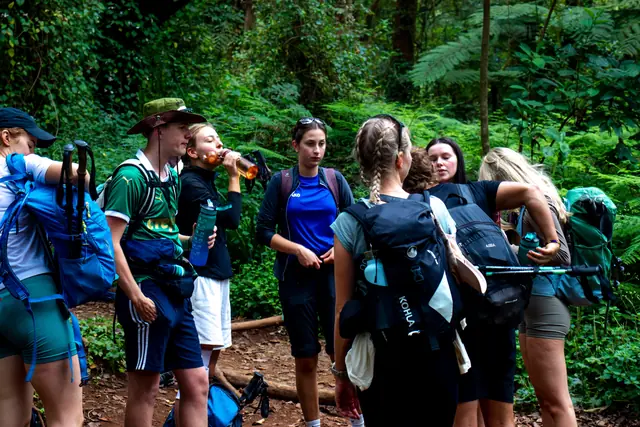
Mount Kilimanjaro offers an experience unlike almost any other trekking adventure. Its remarkable elevation creates several distinct ecological zones, allowing climbers to experience dramatic changes in vegetation, climate, and scenery during a single expedition.
Experience Five Remarkable Ecological Zones
As you ascend Kilimanjaro, the landscape transforms around you.
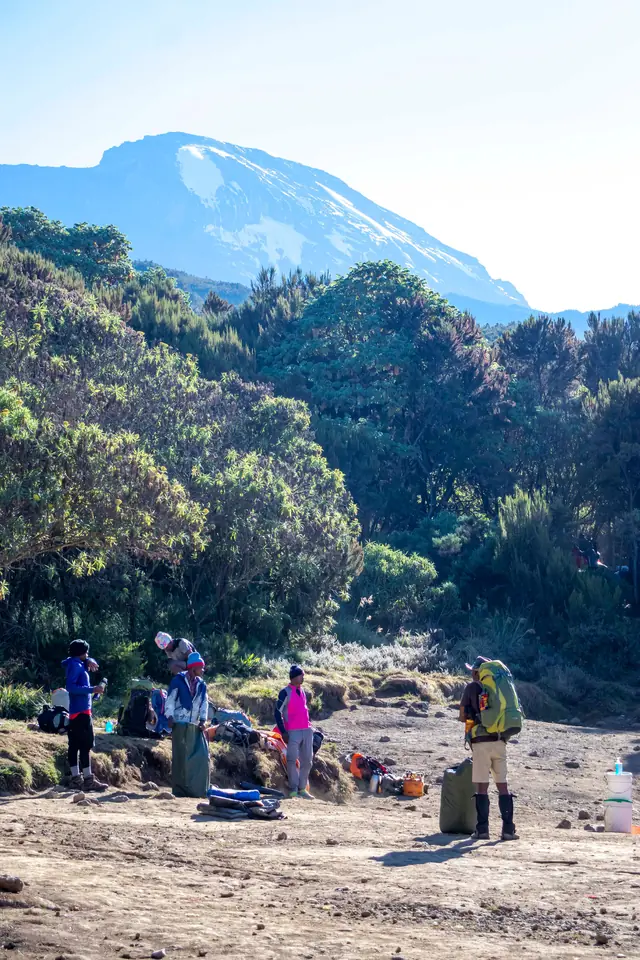
The journey begins in cultivated farmland and lush montane forest, where towering trees, moss-covered branches, and birdlife create a beautiful natural environment. Higher up, the forest gradually gives way to moorland, characterized by giant groundsels, unique vegetation, and expansive mountain views.
Beyond the moorland lies the alpine desert, a rugged landscape shaped by cold temperatures, intense sunlight, and limited rainfall. Near the summit, the environment becomes increasingly harsh, with glaciers, volcanic terrain, and the dramatic scenery surrounding Uhuru Peak.
These changing landscapes make Kilimanjaro a destination for travelers who appreciate both physical adventure and natural beauty.
Stand on the Roof of Africa
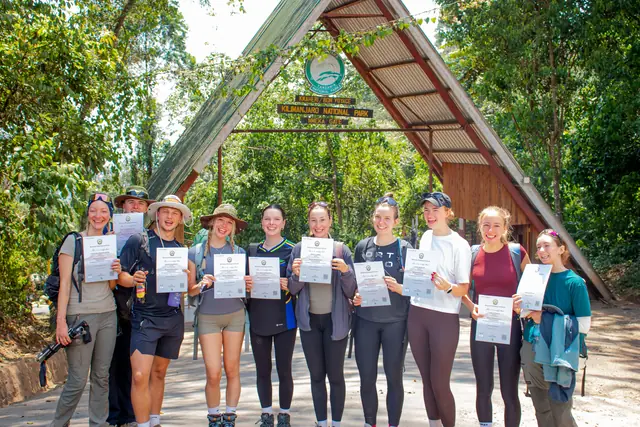
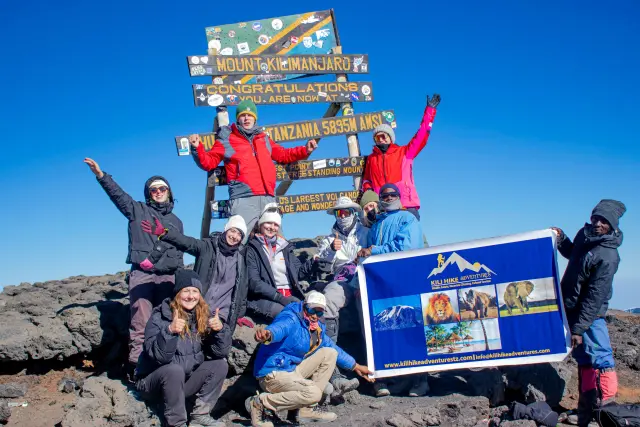
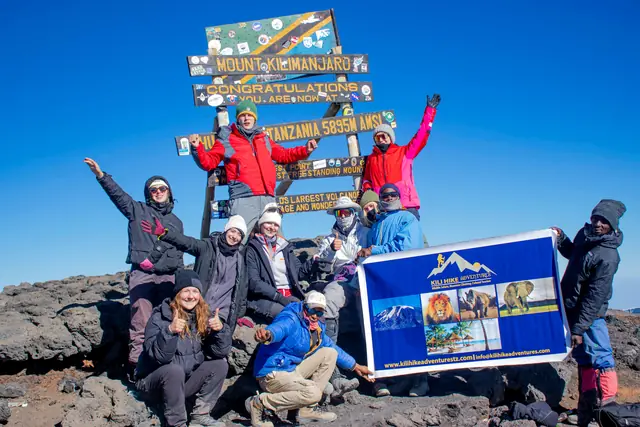
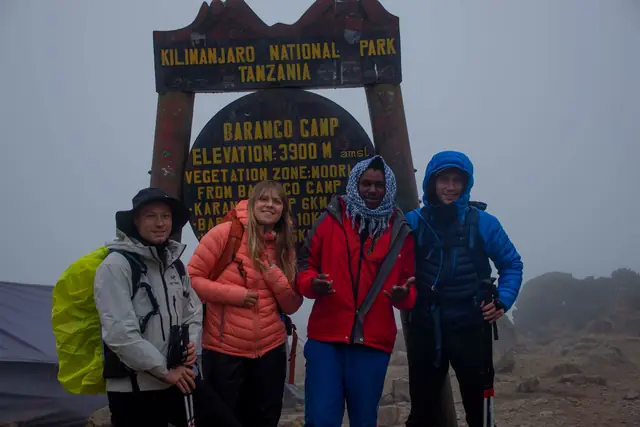
Reaching Uhuru Peak, the highest point on Mount Kilimanjaro, is a remarkable personal achievement.
For many climbers, the summit represents months of preparation, determination, and perseverance. The final ascent typically begins during the night, allowing climbers to approach the summit around sunrise when conditions permit.
Watching the first light spread across the surrounding landscape is an unforgettable experience. However, reaching the summit is never guaranteed, and responsible guides prioritize climbers' health and safety over reaching the highest point.
Discover Tanzania's Local Culture
A Kilimanjaro expedition also provides opportunities to discover the communities and cultures of northern Tanzania.
Many climbs begin near the town of Moshi or involve an overnight stay in the Arusha region. Travelers can extend their experience by visiting local coffee farms, exploring Chagga cultural heritage around the mountain, or discovering traditional villages and waterfalls.
With additional time, you can combine your climb with a wildlife safari in Serengeti National Park, a visit to Ngorongoro Crater, or a relaxing beach holiday in Zanzibar.
This combination makes Tanzania an outstanding destination for travelers seeking adventure, culture, and wildlife in one trip.
Best Routes to Climb Mount Kilimanjaro in 2027
Choosing the right route is one of the most important decisions when planning your Kilimanjaro climb.
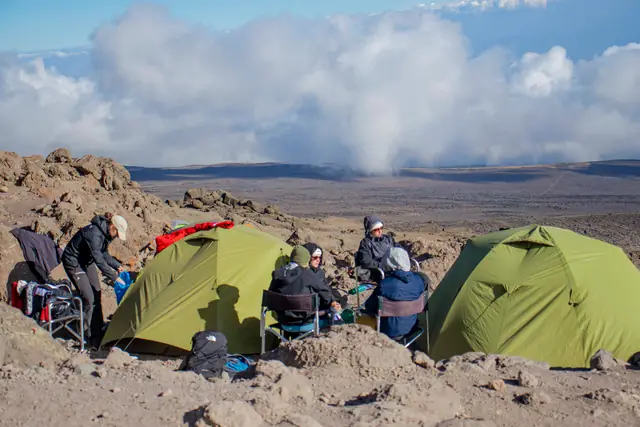
Each route offers different scenery, trekking durations, accommodation arrangements, and acclimatization opportunities. Your ideal route depends on your available time, budget, fitness, and personal preferences.
The main routes include Machame, Lemosho, Marangu, Northern Circuit, Rongai, and Umbwe.
1. Machame Route: A Scenic and Popular Adventure
The Machame Route is one of the most popular ways to climb Mount Kilimanjaro. Often called the Whisky Route, it is known for its beautiful scenery, varied terrain, and opportunities to acclimatize through a gradual ascent profile.
The trail passes through montane forest, moorland, and alpine desert before joining the southern approach to the summit.
One of its advantages is the opportunity to climb higher during the day and descend to a lower sleeping altitude, commonly described as the "climb high, sleep low" approach. This can support acclimatization when incorporated appropriately into the itinerary.
Machame is generally completed in six or seven days on the mountain, with seven days offering more time for acclimatization than six days.
Best for: Travelers who want dramatic scenery, a challenging trek, and a well-established climbing route.
Accommodation: Mountain camping.
2. Lemosho Route: A Beautiful Journey Across the Mountain
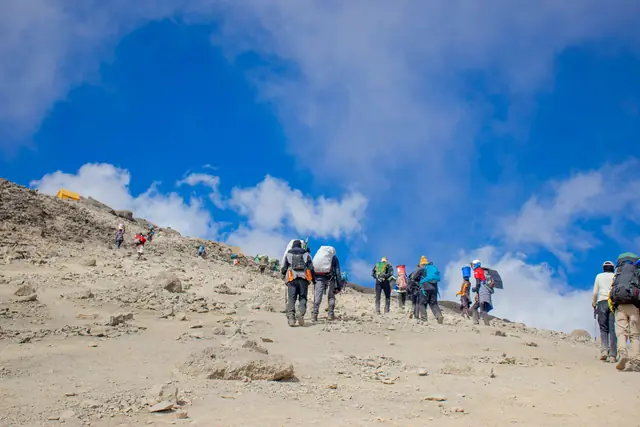
The Lemosho Route is an excellent option for climbers who want a scenic approach with more time to acclimatize.
Beginning on Kilimanjaro's western side, the route passes through remote forest before opening into expansive moorland and offering impressive views across the Shira Plateau.
As the trek progresses, climbers encounter dramatic volcanic landscapes and panoramic mountain scenery. The route eventually joins the southern circuit before the final ascent to Uhuru Peak.
Lemosho is commonly offered as a seven- or eight-day expedition. The additional time on an eight-day itinerary provides more opportunities for gradual acclimatization and can be a valuable consideration for first-time high-altitude trekkers.
Although no itinerary guarantees summit success, choosing a suitable duration can improve your opportunity to adjust to the mountain's altitude.
Best for: Travelers seeking outstanding scenery, a longer trekking experience, and a more gradual approach to the summit.
Accommodation: Mountain camping.
3. Marangu Route: The Classic Kilimanjaro Trail
The Marangu Route is one of the oldest established routes on Mount Kilimanjaro.
Sometimes called the Coca-Cola Route, it approaches the summit from the southeastern side of the mountain and is particularly known for its mountain huts.
Unlike routes that use tents throughout the expedition, Marangu provides dormitory-style hut accommodation at designated overnight stops. This makes it an option for travelers who prefer sleeping in permanent mountain shelters.
The route is commonly completed in five or six days, although a seven-day itinerary can provide additional time for acclimatization.
The shorter itineraries can be challenging because of the limited time available to adjust to altitude. A longer itinerary is worth considering when your schedule and budget allow.
Best for: Travelers who prefer hut accommodation and an established trekking trail.
Accommodation: Mountain huts.
4. Northern Circuit Route: A Longer and More Remote Experience
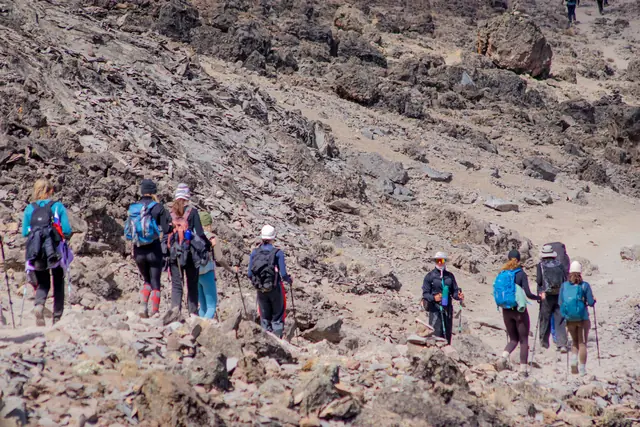
The Northern Circuit is the longest established trekking route on Kilimanjaro and offers an opportunity to explore quieter sections of the mountain.
Beginning on the western side, the route travels across the Shira Plateau before continuing around the northern slopes. It eventually approaches the summit from the eastern side of the mountain's northern region.
Its extended duration provides valuable opportunities for acclimatization, while its route profile allows trekkers to experience a broader range of Kilimanjaro's landscapes.
The Northern Circuit typically takes eight to nine days, depending on the itinerary.
Although the longer duration can be beneficial, altitude affects everyone differently, and climbers must remain attentive to their health throughout the expedition.
Best for: Travelers with sufficient time who value quieter trails, expansive scenery, and a longer mountain experience.
Accommodation: Mountain camping.
5. Rongai Route: A Different Perspective of Kilimanjaro
The Rongai Route approaches Mount Kilimanjaro from the northern side, close to the Kenyan border.
Compared with the popular southern approaches, Rongai offers a different perspective of the mountain and can experience different weather patterns. Its landscapes include forest, open moorland, and impressive views across the northern slopes.
The route generally takes six or seven days, depending on the itinerary.
Rongai is worth considering for climbers who want to explore a less-travelled approach. However, its suitability depends on the itinerary, acclimatization opportunities, and current mountain conditions.
Best for: Travelers seeking a northern approach and a different perspective of the mountain.
Accommodation: Mountain camping.
6. Umbwe Route: A Demanding and Steep Ascent
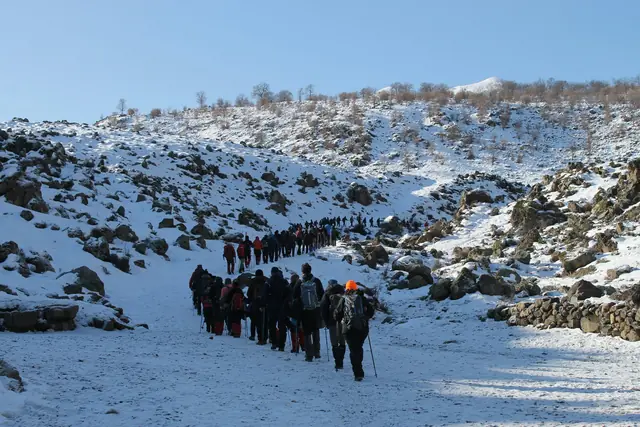
The Umbwe Route is known for its steep trails and demanding ascent profile.
It approaches Kilimanjaro from the southern side and joins the southern circuit before the summit attempt. The route offers beautiful forest scenery and dramatic mountain landscapes, but its rapid initial elevation gain can make acclimatization challenging.
For this reason, Umbwe is generally more appropriate for experienced high-altitude trekkers who understand the physical demands of the route.
It is not usually the first recommendation for beginners seeking the most favorable opportunity to acclimatize.
Best for: Experienced trekkers seeking a particularly demanding ascent.
Accommodation: Mountain camping.
Which Kilimanjaro Route Should You Choose?
There is no single best route for every climber. Your decision should balance the time you have available, your budget, your preferred scenery, and the importance of allowing your body to adjust to altitude.
Route | Typical Duration | Accommodation | Main Advantage |
|---|---|---|---|
Machame | 6–7 days | Camping | Scenic and varied trekking |
Lemosho | 7–8 days | Camping | Beautiful landscapes and longer itineraries |
Marangu | 5–6 days, with 7-day options | Mountain huts | Permanent mountain shelters |
Northern Circuit | 8–9 days | Camping | Longer itinerary and quieter trails |
Rongai | 6–7 days | Camping | Northern approach |
Umbwe | Commonly 6–7 days, depending on itinerary | Camping | Steep and demanding ascent |
Durations are indicative and refer to time on the mountain. Your full trip may require additional days for arrival, preparation, and departure.
Our recommendation: For many first-time climbers, a seven- or eight-day Lemosho itinerary or a seven-day Machame itinerary is worth considering because it allows more time on the mountain than the shorter alternatives. Your guide or tour operator should help you choose an itinerary appropriate for your circumstances.
How Much Does It Cost to Climb Mount Kilimanjaro in 2027?
Understanding the cost of climbing Mount Kilimanjaro is essential when planning your adventure.
The total price depends on your chosen route, the number of days on the mountain, group size, accommodation before and after the climb, and the services included in your package.
A longer itinerary generally costs more because it requires additional days of park access, meals, crew support, and mountain logistics. However, choosing the cheapest or shortest available package is not necessarily the best decision.
What Is the Average Cost of Climbing Kilimanjaro?
As a general planning guide, many organized climbs fall within the following broad price ranges per person:
Budget group climbs: Approximately US$1,500–US$2,000.
Midrange climbs: Approximately US$2,000–US$3,000.
Premium or private climbs: Approximately US$3,000–US$5,000 or more.
These are indicative planning ranges, not verified 2027 market averages or fixed quotations. Actual prices vary by route, duration, group size, service standards, operator, and season.
International flights, visas, travel insurance, personal equipment, and gratuities may be additional expenses.
When comparing quotations, check the inclusions carefully rather than choosing an operator based on price alone.
What Is Usually Included in a Kilimanjaro Climbing Package?
A professionally organized climbing package commonly includes:
Kilimanjaro National Park fees and applicable permits.
Experienced mountain guides and supporting crew.
Porters and other necessary mountain staff.
Meals and drinking water arrangements during the climb.
Camping equipment on camping routes or hut accommodation on the Marangu Route.
Transport between the designated starting point and the mountain.
Pre-climb briefing and logistical coordination.
Emergency procedures and appropriate safety equipment.
The exact inclusions depend on the package.
What Is Usually Excluded?
Items that may be excluded include:
International flights.
Tanzanian visa fees.
Travel and evacuation insurance.
Personal trekking equipment and clothing.
Accommodation before or after the climb, unless specified.
Tips for guides, porters, and other crew members.
Optional equipment rental and additional personal expenses.
Always request a written quotation outlining what is included and excluded.
Why Does Group Size Affect the Price?
Group size is one of the main factors affecting the cost per person.
When several travelers join the same expedition, some operating costs can be shared. Private climbs, by contrast, offer greater flexibility in pacing and itinerary arrangements but may cost more per person.
A responsible operator should explain the differences clearly and ensure that the price reflects the services, staff, equipment, and logistical arrangements required for the chosen itinerary.
What Is the Best Time to Climb Mount Kilimanjaro?
Mount Kilimanjaro can be climbed throughout much of the year, but weather conditions vary significantly between seasons and across the mountain's different elevations.
The main climbing periods are generally associated with the drier months, although conditions can change from year to year.
January to March: A Quieter Climbing Period
January through March can be an attractive period for climbing Kilimanjaro.
Conditions vary, but climbers may experience clear mornings, beautiful mountain views, and colder conditions at higher elevations. Snowfall is possible near the summit.
This period can suit travelers who prefer a different seasonal atmosphere from the busiest midyear months.
June to October: The Main Dry Season
June through October is generally considered one of the main climbing seasons.
These months often offer favorable trekking conditions, although rain, clouds, wind, and cold temperatures remain possible.
July, August, and September can be particularly popular, so travelers should consider booking in advance if they have fixed dates or want a private expedition.
November to December: Variable Weather and Green Landscapes
Short rains commonly occur around November and may continue into December, although the timing and intensity vary.
Climbing remains possible, but wet trails, cloud cover, and changing weather can affect the experience.
Some travellers appreciate the greener landscapes and the different atmosphere during this period. Choosing a suitable route and packing appropriate waterproof equipment are particularly important.
Which Month Is Best for Your Climb?
The best month depends on your priorities, travel schedule, and tolerance for changing weather.
For travellers who prioritize generally drier conditions, June through October is often a strong option. January through March can also be suitable.
Regardless of the month, Kilimanjaro's weather is unpredictable. Your operator should provide current advice before departure and ensure you have appropriate clothing and equipment.
How Difficult Is Climbing Mount Kilimanjaro?
Climbing Mount Kilimanjaro is a physically demanding adventure, but many people with good general fitness and appropriate preparation complete the trek successfully.
Technical climbing skills are not normally required on the established trekking routes. Nevertheless, the mountain's altitude makes the expedition significantly more challenging than an ordinary hiking holiday.
The Challenge of High Altitude
At 5,895 meters, the summit has substantially less available oxygen than locations near sea level.
As you ascend, your body needs time to adjust to the reduced oxygen availability. Some climbers develop altitude-related symptoms, including headaches, nausea, dizziness, fatigue, and disturbed sleep.
Serious altitude illness can be life-threatening. Climbers must report symptoms to their guides immediately, follow medical advice, and descend when necessary.
No level of fitness eliminates the risk of altitude illness.
The Importance of Acclimatization
Acclimatization is the process through which your body adjusts to high altitude.
A carefully designed itinerary allows gradual ascent and appropriate opportunities to rest. Longer routes often provide more time for acclimatization, although route duration alone does not guarantee that your body will adapt successfully.
Experienced guides monitor climbers throughout the expedition and may use recognized assessment procedures and oxygen-saturation measurements as part of their safety practices.
The most important rule is simple: reaching the summit must never take priority over your health.
How Fit Do You Need to Be?
You do not need to be an elite athlete to attempt Kilimanjaro, but you should be prepared for several consecutive days of hiking.
Useful preparation includes regular walking, hill training, stair climbing, and aerobic exercise suited to your current fitness level.
Longer training walks with a comfortable backpack can help you become familiar with spending several hours on your feet.
Increase your activity gradually and allow adequate recovery. If you have concerns about your health or ability to undertake strenuous exercise, seek advice from a qualified healthcare professional before your trip.
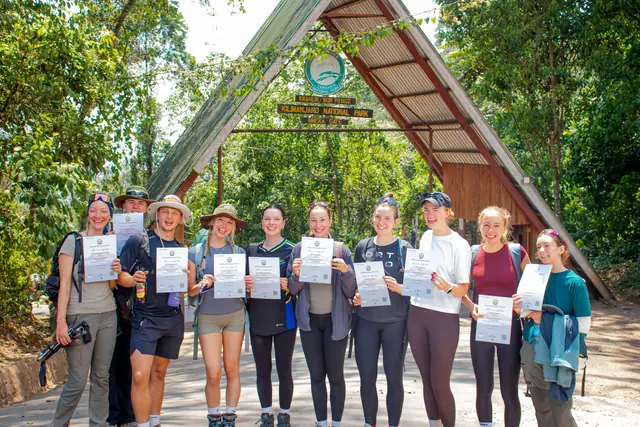
How to Prepare for Your Kilimanjaro Climb
Good preparation can make your expedition more comfortable and help you manage the demands of the mountain.
1. Start Training Early
Ideally, begin preparing several months before your climb.
Build up your walking endurance gradually, practice hiking on uneven terrain, and become comfortable with longer periods of activity.
Include rest days and avoid suddenly increasing your training intensity.
2. Choose the Right Clothing
Kilimanjaro's climate changes dramatically with elevation.
Your clothing system should allow you to adapt to warm conditions in the forest, cool temperatures on the moorland, and freezing conditions near the summit.
Essential items commonly include:
Moisture-wicking base layers.
Warm insulating layers.
A waterproof and wind-resistant jacket and trousers.
Comfortable trekking trousers.
Hiking boots that have been broken in before the trip.
Warm gloves and a suitable hat.
A warm summit hat or balaclava.
Comfortable trekking socks.
Sunglasses and sun protection.
Your operator should provide a detailed equipment checklist tailored to the route and season.
3. Prepare Your Personal Equipment
Other useful items include a daypack, reusable water bottles or a hydration system, a headlamp, trekking poles, and personal toiletries.
The equipment required for overnight stays depends on whether your route uses tents or mountain huts and on what your operator supplies.
Confirm equipment arrangements before travelling to Tanzania to avoid unnecessary purchases or last-minute rentals.
4. Arrange Appropriate Travel Insurance
Your insurance should explicitly cover trekking to the elevation of Kilimanjaro and include suitable emergency medical and evacuation benefits.
Read the policy carefully. Standard travel insurance may exclude high-altitude trekking or certain rescue expenses.
Carry your insurance details and provide relevant emergency information to your tour operator.
5. Follow Your Guide's Instructions
During the climb, maintain a steady pace and avoid rushing ahead.
Your guide will advise you on walking speed, hydration, rest breaks, and how to respond to changing conditions.
Communicate honestly about how you feel. Concealing symptoms can put your health at risk.
What to Expect During Your Kilimanjaro Climb
Although the exact experience depends on your chosen route, most expeditions follow a similar progression.
Arrival in Tanzania
Many climbers arrive through Kilimanjaro International Airport, which serves the Arusha and Moshi regions.
Depending on your itinerary, you may transfer to a hotel in Moshi or Arusha for an overnight stay before the expedition.
Your pre-climb arrangements commonly include a briefing, an equipment check, and confirmation of transport and departure times.
Trekking Through the Forest
The first day usually involves entering the mountain forest and beginning your gradual ascent.
The trail may be humid, with tree roots, uneven ground, and changing weather conditions. Guides and porters help organize the expedition, while climbers settle into a comfortable walking rhythm.
Exploring the Moorland and Alpine Desert
As you gain elevation, the dense forest gives way to open moorland and increasingly rugged terrain.
The scenery becomes more expansive, and the temperature generally drops as you ascend.
Each day involves a balance of trekking, rest, meals, and overnight stops designed around your route.
Summit Night
The final ascent is often the most physically demanding part of the expedition.
Depending on the route and camp location, climbers usually begin the summit attempt during the night.
The ascent can involve cold temperatures, darkness, steep terrain, and the effects of altitude. Guides monitor the group and adjust the plan according to individual conditions.
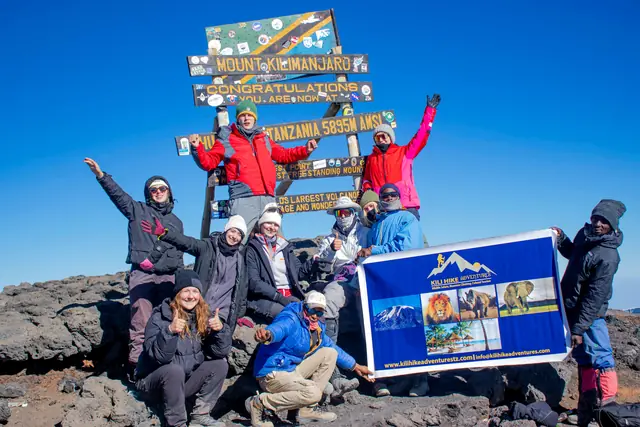
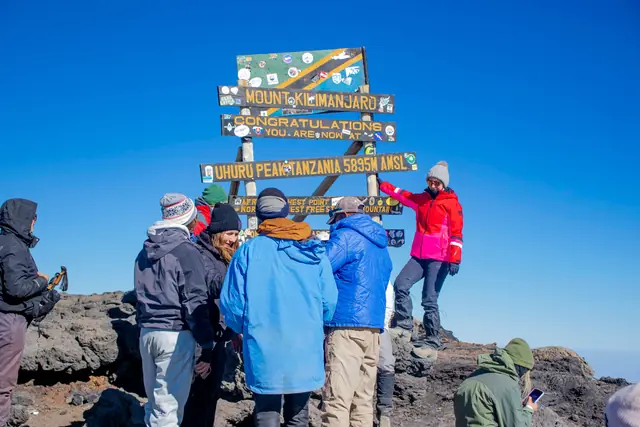
Those who reach Uhuru Peak can celebrate standing at the highest point in Africa before beginning the descent.
Not every climber reaches the summit, and turning back when necessary is an important part of responsible mountaineering.
The Descent
After the summit attempt, the expedition continues down the mountain.
The descent can be tiring, particularly after a demanding night, so careful footing and an appropriate pace remain important.
Once you reach the designated exit gate, your mountain crew will help conclude the expedition before your transfer back to your accommodation.
Many climbers celebrate their achievement with a well-earned shower, a meal, and time to rest.
Why Choose a Local Kilimanjaro Tour Operator?
Choosing a reliable tour operator is one of the most important parts of planning your climb.
A local operator with established mountain experience can help coordinate permits, transport, accommodation, equipment, staffing, and the daily logistics of your expedition.
However, not all operators offer the same standards of service. Take time to compare their experience, safety procedures, staff welfare practices, and the details of their climbing packages.
Local Knowledge and Personalized Service
A Tanzania-based operator can provide practical advice about seasonal conditions, route selection, local transport, and pre- and post-climb arrangements.
Direct communication also makes it easier to discuss your travel dates, group size, preferred route, budget, and equipment requirements.
Experienced Guides and Mountain Crew
Your mountain team plays a central role in your expedition.
Look for an operator that employs appropriately qualified guides, follows recognized safety procedures, and treats its porters and other crew members responsibly.
Ask how the company monitors altitude-related symptoms, manages emergencies, and determines when a climber should descend.
Transparent Pricing
A professional operator should explain the price of your climb clearly.
Your quotation should specify the route, duration, accommodation, meals, park fees, transport, equipment arrangements, and any additional charges.
Transparency helps you compare packages fairly and reduces the risk of unexpected expenses.
Support Beyond the Mountain
Your experience in Tanzania may include airport transfers, hotel accommodation, equipment arrangements, and optional wildlife safaris.
Working with an operator that can coordinate these services can make your overall travel planning more convenient.
Combine Your Kilimanjaro Climb with a Tanzania Safari
Your adventure does not have to end when you leave the mountain.
Northern Tanzania is home to some of Africa's most remarkable wildlife destinations, making it easy to combine trekking with a safari.
Serengeti National Park
The Serengeti is famous for its vast grasslands, resident wildlife, and the Great Wildebeest Migration.
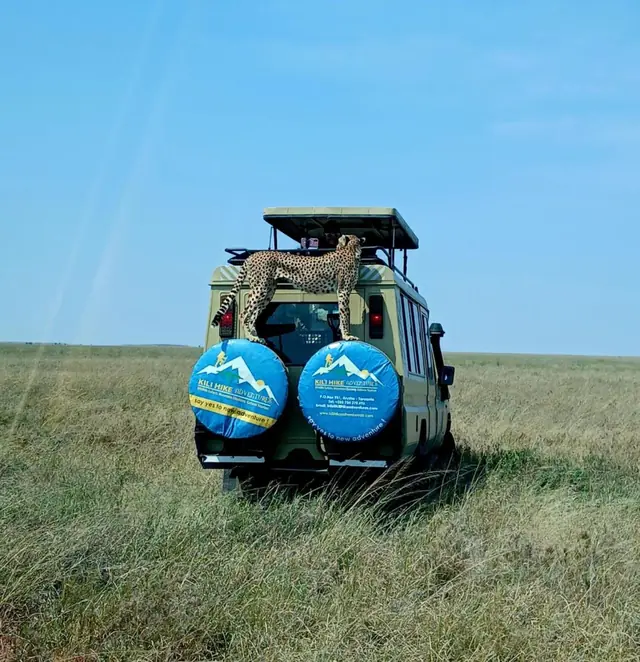
Depending on the season and location, safari travellers may encounter wildebeest, zebras, giraffes, elephants, lions, cheetahs, and other fascinating wildlife.
The migration moves through different parts of the wider Serengeti ecosystem throughout the year, so your itinerary should be planned around seasonal wildlife movements.
Ngorongoro Crater
The Ngorongoro Crater offers spectacular scenery and an opportunity to explore a remarkable wildlife habitat.
Its crater floor supports a variety of animals, including zebras, wildebeest, buffaloes, elephants, and lions. It is also one of the locations where visitors may have an opportunity to see the endangered black rhinoceros.
A crater safari can be an excellent addition to a Kilimanjaro expedition.
Tarangire National Park
Tarangire is known for its large baobab trees, varied landscapes, and substantial elephant populations.
Depending on the season, the park can offer rewarding wildlife viewing and opportunities to observe numerous bird species.
Zanzibar Beach Holidays
If you prefer to finish your trip with relaxation, consider travelling to Zanzibar.
You can explore historic Stone Town, enjoy the island's beaches, discover local food, or arrange snorkelling excursions, depending on your interests and conditions.
A well-planned itinerary can combine the challenge of Kilimanjaro with the wildlife of Tanzania's northern circuit and the tropical atmosphere of Zanzibar.
Frequently Asked Questions About Climbing Mount Kilimanjaro
Can beginners climb Mount Kilimanjaro?
Yes. Many first-time high-altitude trekkers climb Kilimanjaro without previous mountaineering experience.
However, beginners should prepare physically, choose an appropriate itinerary, understand the risks of altitude, and climb with a qualified and responsible mountain team.
How many days does it take to climb Kilimanjaro?
Most expeditions take between five and nine days on the mountain, depending on the route and itinerary.
Many climbers choose seven or eight days to allow additional time for acclimatization. You should also allow time for arrival, preparation, and departure.
What is the easiest route to climb Kilimanjaro?
There is no universally easiest route because the challenge depends on elevation gain, daily distances, terrain, weather, and acclimatization.
Marangu has hut accommodation, while some longer Machame and Lemosho itineraries provide more time to adjust to altitude. The best choice depends on your priorities and circumstances.
What is the success rate for climbing Kilimanjaro?
Summit success varies by route, itinerary length, season, operator, and how success is measured.
Longer itineraries can provide more opportunities for acclimatization, but no route or operator can guarantee that you will reach Uhuru Peak.
When comparing success-rate claims, ask for the source, the route duration, and the number of climbers included in the figures.
Do I need a guide to climb Kilimanjaro?
Climbers should arrange their expedition through an authorized operator and follow current Kilimanjaro National Park regulations regarding guides and mountain support.
A qualified guide also helps coordinate the trek, monitor conditions, and respond to potential altitude-related problems.
Is climbing Kilimanjaro safe?
Kilimanjaro is a serious high-altitude undertaking, and risks include altitude illness, extreme cold, dehydration, exhaustion, and changing weather.
Careful preparation, appropriate acclimatization, qualified guides, suitable equipment, and timely descent when necessary can help manage these risks. They cannot eliminate them.
Can I climb Kilimanjaro and go on safari in one trip?
Yes. Many travellers combine a Kilimanjaro expedition with a safari in Serengeti, Ngorongoro, or Tarangire.
The ideal itinerary depends on your available time, budget, and preferred safari experiences. Allow time to recover after your climb before undertaking another demanding activity.
When should I book my 2027 Kilimanjaro climb?
Booking several months in advance is sensible, particularly if you want specific travel dates, a private expedition, or a popular climbing season.
Earlier planning also gives you time to prepare physically, arrange travel insurance, organize equipment, and coordinate international flights.
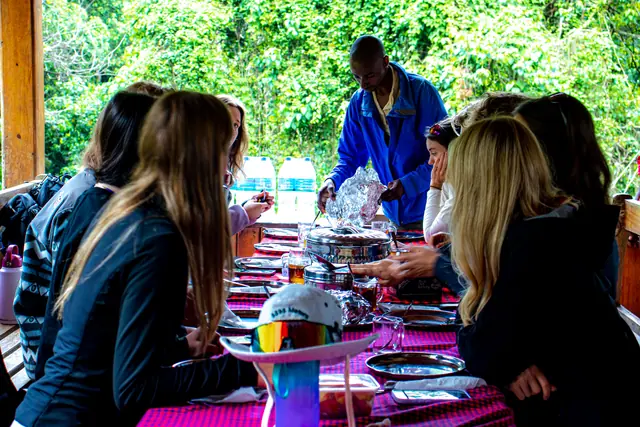
Start Planning Your Mount Kilimanjaro Adventure with Kili Hike Adventures
Climbing Mount Kilimanjaro is an opportunity to experience Tanzania's extraordinary landscapes while undertaking a meaningful personal challenge.
From the green mountain forests to the open alpine desert and the summit of Uhuru Peak, every stage of the journey offers something different.
Choosing the right route, allowing sufficient time for acclimatization, preparing your equipment, and travelling with a responsible mountain team are essential steps towards a well-organized expedition.
At Kili Hike Adventures, we help travellers plan Kilimanjaro climbs according to their preferred routes, travel dates, group sizes, and budgets. As a Tanzania-based tour operator, we can also help coordinate airport transfers, accommodation, and wildlife safaris for travellers who want to explore more of the country.
Whether you are considering the scenic Lemosho Route, the popular Machame Route, or another approach to the mountain, our team can help you compare your options and plan your adventure.
Ready to Climb Mount Kilimanjaro in 2027?
Contact Kili Hike Adventures to discuss your preferred route, travel dates, and climbing package.
Website: www.kilihikeadventure.com
Email: kilihikeadventure@gmail.com
WhatsApp: +255 762 584 747
Tell us when you would like to climb, how many people will be travelling, and which route interests you. We can help you explore suitable options for your Tanzanian adventure.
Kili Hike Adventures — Creating Unforgettable Tanzanian Adventures.