8-Day Lemosho Route Kilimanjaro Climb
Our favourite way up Kilimanjaro: quiet western rainforest, two nights on the Shira Plateau and the most time to adapt to the altitude.
The longest and quietest route, circling the remote northern slopes: the most time to adapt to the altitude and 360° views.
The Northern Circuit starts with the Lemosho route on the western side, then circles the remote northern slopes of Kibo, which very few climbers ever see, before the summit from the east.
With the most days at altitude, it gives your body the most time to adapt, and you will share the trail with very few other groups. A hotel night before and after the climb is included.
A scenic drive around the western side of the mountain to Londorossi Gate for registration, then on to the trailhead. Walk through quiet, untouched rainforest to Mti Mkubwa (“Big Tree”) Camp, watching for colobus monkeys and turacos. About 6 km, 3–4 hours.
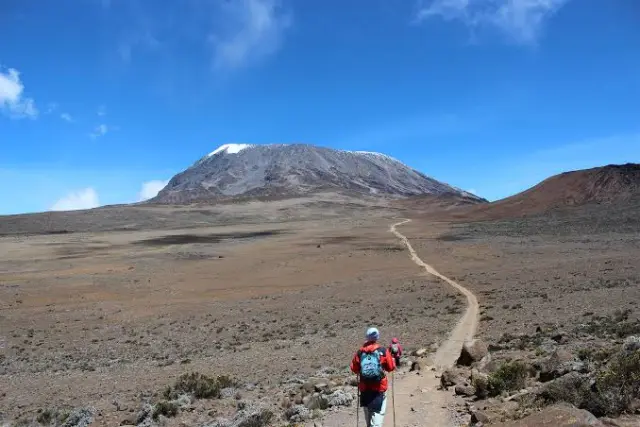
Climb out of the forest into giant heather and open moorland, then cross the Shira Plateau, an ancient collapsed volcano, with your first wide views of Kibo's glaciers. A long but rewarding day. About 16 km, 7–8 hours.
Climb towards Lava Tower to help your body adapt, then turn north to Moir Hut, a quiet camp at the foot of Kibo's northern slopes. About 12 km, 6–7 hours.
Begin the circuit of the northern slopes, with views across the plains towards Kenya. About 12 km, 6–7 hours.
Continue east around the mountain on a gentle trail, losing a little height so you sleep well. About 8 km, 5–6 hours.
Climb across the Saddle to School Hut, the base camp for the summit on this route. Early dinner and a few hours of sleep. About 5 km, 4–5 hours.
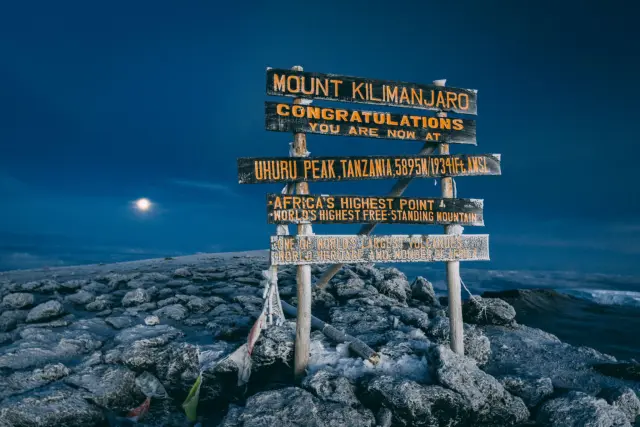
Leave around midnight and climb to Gilman's Point on the crater rim, then follow the rim past Stella Point to Uhuru Peak as the sun comes up. Walk down the southern side past Barafu to Mweka Camp. About 18 km, 12–15 hours.
An easy walk down through the rainforest to Mweka Gate, where you receive your summit certificate and say goodbye to your crew. We drive you back to your hotel for a hot shower and a celebration. About 10 km, 3–4 hours.

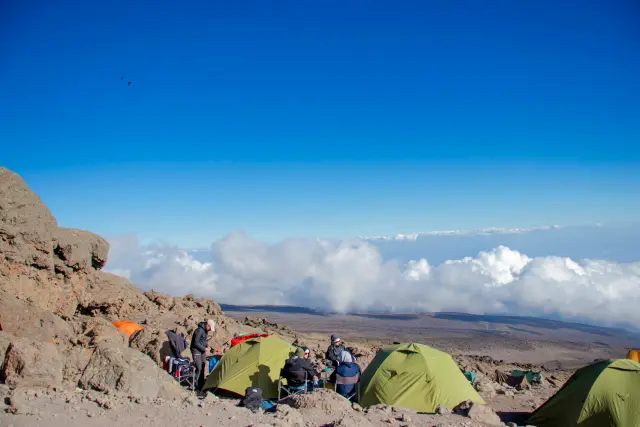
Two people share a four-season mountain tent with sleeping mats. Your crew carries and sets up camp, and you eat in a mess tent with a table and chairs. Hot water for washing is brought to your tent each morning and evening.


It starts from $3,123 per person. The final price depends on your travel dates and group size, so ask us for an exact quote.
2 nights in a hotel in Arusha or Moshi, before and after the climb, All nights on the mountain, with tents and camping equipment, Professional, experienced mountain guides, Guides', porters' and cook's salaries, All park fees and rescue fees, All meals on the mountain: large portions of fresh, healthy, nutritious food, Clean, purified drinking water, Arrival and departure transfers and Fair and ethical treatment of porters.
International flights, Tanzania visa fees, Travel insurance that covers trekking up to 6,000 m and helicopter evacuation, Tips for your guides, cook and porters, Personal climbing gear (sleeping bags, poles and warm jackets can be rented) and Alcoholic drinks and personal expenses.
January to mid-March and June to October, the driest months. Climbs run all year.
It starts and ends in Moshi or Arusha.
Yes. Every itinerary can be adjusted to your pace and interests: add a night, swap a lodge, or combine it with Kilimanjaro or Zanzibar. Just ask.
Our favourite way up Kilimanjaro: quiet western rainforest, two nights on the Shira Plateau and the most time to adapt to the altitude.
Kilimanjaro's most popular route, with the extra night that gives you a much better chance of reaching the summit: rainforest, the Shira Plateau, Lava Tower and the Barranco Wall.
The scenic western Lemosho route in seven days: quiet rainforest, the Shira Plateau, Lava Tower and the Barranco Wall.

Rated by our travellers on SafariBookings, where every review is checked independently. Read the reviews